We welcome the publication of the Government’s new Road Safety Strategy and its focus on a safer, more inclusive, and evidence-based approach to road safety.
The strategy sets out a long-term ambition to significantly reduce the number of people killed or seriously injured on Britain’s roads, using a “Safe System” approach. This recognises that people can make mistakes and focuses on safer road users, safer vehicles, safer roads, and better post-collision response.
As a national charity, we support a UK-wide network of independent driving and mobility centres. Through this network, we help individuals, clinicians, and licensing authorities make informed decisions about fitness to drive, vehicle adaptation, and continued safe mobility.
We particularly welcome the strategy’s clear commitment to evidence-based policy, Lifelong Learning for road users, and inclusive mobility. Driving supports independence, access to work, and social participation, but it also brings responsibilities. The strategy rightly recognises the importance of supporting people to drive safely for as long as possible and of ensuring that decisions about driving are informed, proportionate, and based on individual circumstances.
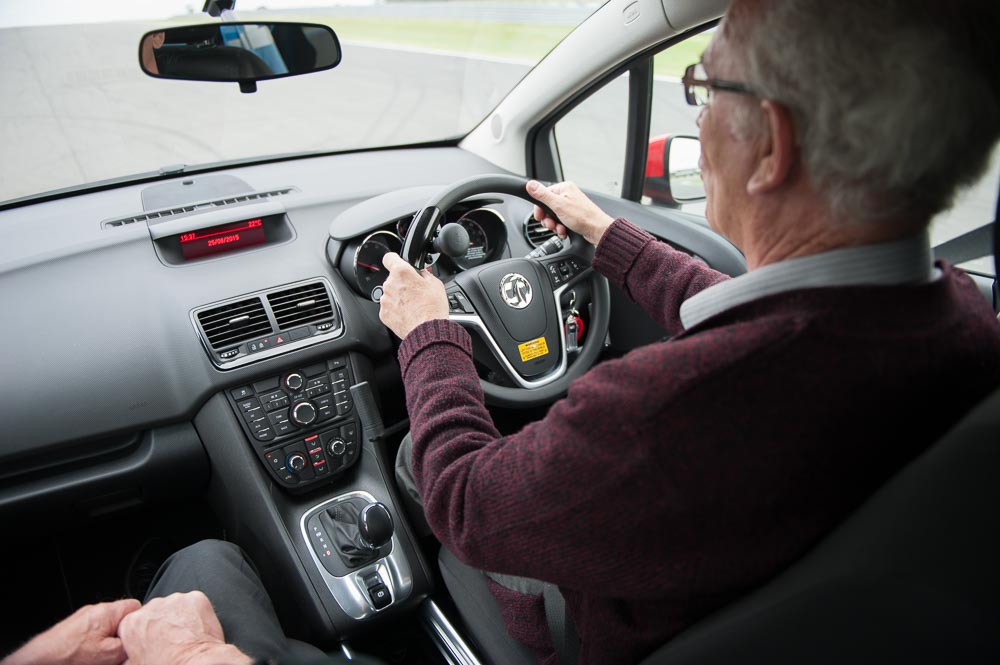
We also welcome the focus on medical fitness to drive, older drivers, and the role of evidence in supporting licensing decisions, including the proposal to introduce mandatory eyesight testing for drivers over 70. Over the past three years, we have seen a steady rise in demand for older driver assessments, with more than 700 delivered in 2024 alone. Many older drivers do not need to stop driving. Many can continue to drive safely with minor vehicle adaptations, refresher training, or regular reviews. Our fitness-to drive assessments provide reassurance to drivers and families and helps whilst also informing DVLA decision-making where required.
In addition to referrals from health professionals and the DVLA, some police forces across the UK use fitness-to-drive assessments as a constructive alternative to prosecution in cases where a health condition may have contributed to an incident. This allows drivers to be assessed professionally and supported appropriately, while promoting safety for all road users.
As our population ages, more people are driving later in life, and with that comes both opportunity and risk. The strategy reinforces the importance of having high-quality, independent assessment and advice available to people whose driving may be affected by frailty, disability, or a health condition. This is not about removing independence unnecessarily. It is about supporting safe, informed decisions and helping people continue to travel safely and confidently, whether that is through continued driving, adaptation, or alternative mobility options.
As the strategy moves into its delivery phase, we look forward to continuing to work constructively with the Department for Transport, the DVLA, the NHS, the Police, and other partners to support a road safety system that is evidence-led, proportionate, and centred on both safety and independence.
If you have concerns about your own or a family member’s driving and would like advice or to arrange an assessment, you can find your nearest independent driving and mobility centre.